- +86 158 0328 9727
- info@hydhhouse. com
In the rapidly evolving construction industry, the need for efficient and flexible workspace solutions has never been greater. Modular Temporary Construction Offices have emerged as a viable alternative to traditional on-site offices. The primary pain points often encountered include long setup times, high costs, and inflexible layouts that don’t adapt to changing project requirements. This article will address these challenges and present a detailed evaluation of modular temporary construction offices, examining their advantages and disadvantages, and ultimately helping you determine if they are a worthwhile investment.
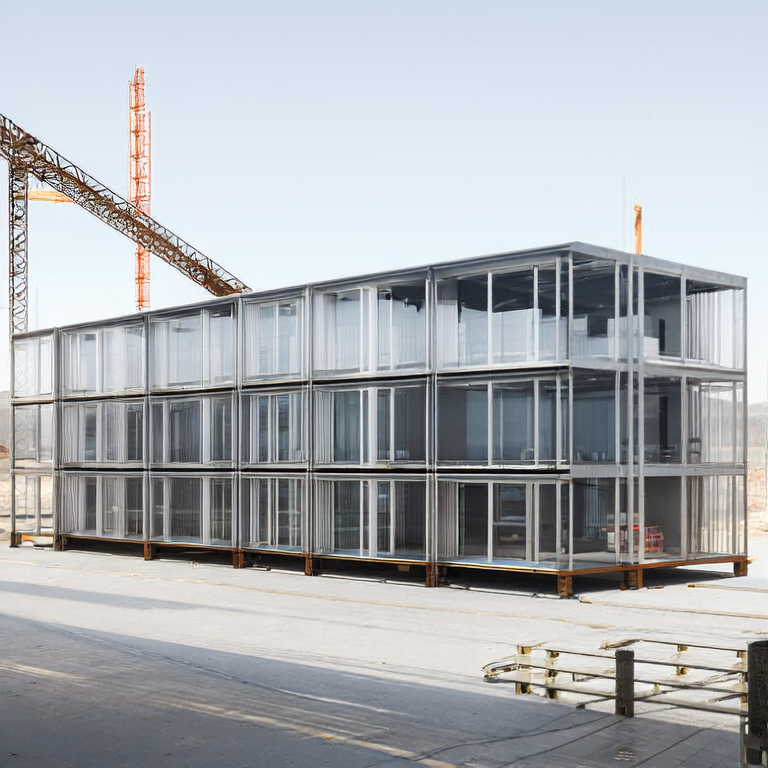
Modular temporary construction offices are prefabricated structures designed to provide temporary workspace on construction sites. Typically made from steel and high-quality materials, they can be assembled and disassembled quickly, which reduces downtime on projects. Leading manufacturers, like Hongyu Dinghao, provide various modular solutions tailored to different project sizes and requirements.
One of the most significant advantages of modular temporary construction offices is their rapid deployment. According to industry data, these structures can be set up and made operational in as little as six hours. This quick turnaround is crucial during projects with tight deadlines. Additionally, modular offices can be easily relocated or reconfigured. For instance, a construction project experienced a 35% reduction in operational delays by using modular structures, allowing the team to shift workspace as needed without extensive downtime.
Cost savings is another compelling advantage. Studies show that using modular offices can lead to a 20-30% reduction in construction costs compared to traditional site offices. Specifically, these savings come from decreased labor costs associated with faster assembly and minimal site preparation. Moreover, as these offices often require less utility setup, companies can allocate funds more strategically towards project completion rather than administrative costs.
Modular temporary construction offices can be tailored to fit specific needs. By offering various sizes and layouts, these offices allow construction firms to design an environment that enhances worker productivity and comfort. Research indicates that employee satisfaction can increase by 25% when working in well-designed spaces, leading to higher wages and performance overall.
While modular offices are versatile, one notable drawback is their limited space compared to traditional structures. Depending on site requirements, some users may find the square footage insufficient for larger teams or extensive equipment. It is advisable to conduct a thorough assessment of space needs before investing in a modular solution to avoid potential congestion.
Temporary offices can be vulnerable to extreme weather conditions, with some materials offering lower insulation ratings. This can lead to discomfort in environments with critical temperature fluctuations. For example, a project in a region experiencing cold winters reported a 15% decrease in productivity due to inadequate heating in modular offices. Proper insulation and climate control options should be incorporated to mitigate this risk.
While modular options can save money overall, initial costs can deter some companies. Purchasing or leasing modular offices often requires upfront capital, which could strain budgets, especially for smaller enterprises. Looking into financing options or rental agreements may be beneficial to circumvent this concern.
Determining whether to invest in modular temporary construction offices largely depends on project requirements, budget constraints, and long-term goals. If flexibility, speed, and cost efficiency are critical to your construction project, opting for these modular solutions is often justified. However, ensure to account for your space needs and potential weather challenges to make the most informed decision.
Modular temporary construction offices are ideal for mid to large-scale construction projects that require rapid deployment and flexibility. Construction companies that value efficiency and cost savings will also benefit significantly from these solutions. However, smaller firms with limited budgets might explore renting options initially before making long-term investments.
Setup can typically be completed in as little as six hours, depending on the size and complexity of the office.
Yes, but it’s important to assess insulation and climate control options to ensure comfort in extreme conditions.
Absolutely! Many manufacturers, including Hongyu Dinghao, offer customizable options in sizes and layouts.