- +86 158 0328 9727
- info@hydhhouse. com
Container housing has gained popularity in recent years. Many people are looking for affordable and efficient living spaces. With the rise in housing prices, container homes can be a smart alternative. They provide flexibility and sustainability. However, many potential buyers have questions. Some ask about building regulations, while others are curious about the benefits of container living. If you\'re considering a Container House, you might have similar questions. 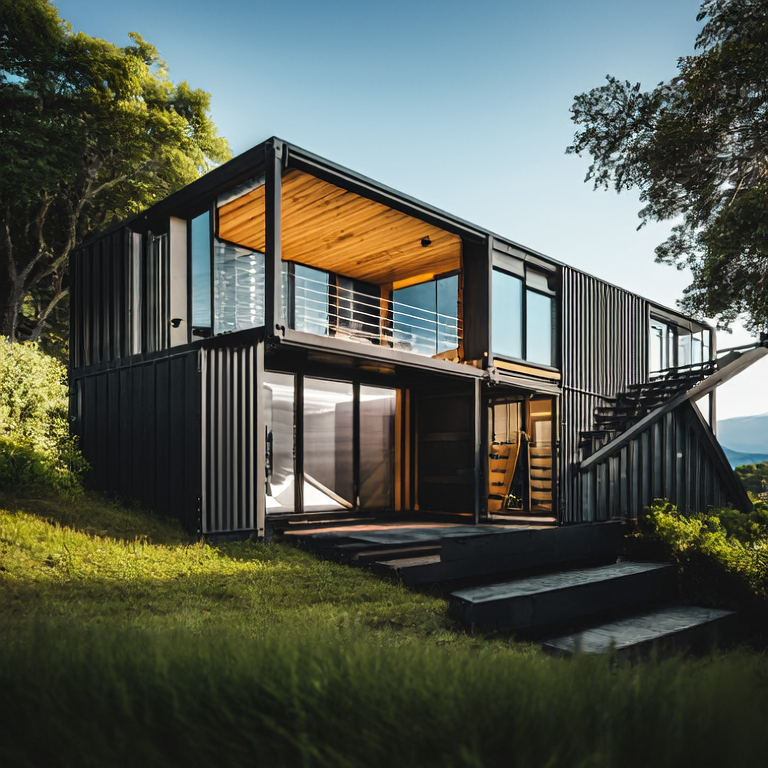
Container housing offers affordable, eco-friendly, and versatile living solutions. They are quick to construct and can be customized. However, challenges like insulation and local building codes exist. Understanding these factors is key before making a decision.
Container homes can be significantly cheaper than traditional houses. Prices can be 30-50% lower, depending on the location. This affordability allows more people to own homes.
Building a container house often takes less time than a traditional build. This can mean moving in just weeks after starting. It reduces the overall construction hassle.
Recycling old shipping containers helps reduce waste. This approach aligns with environmental sustainability. Using containers minimizes the need for new materials and conserves resources.
Container houses typically cost between $10,000 to $50,000. This is much less than some traditional houses. With lower labor costs and simpler designs, savings add up.
Container homes can be energy efficient, leading to lower utility bills. Proper insulation and energy-efficient appliances help save money in the long run.
Using shipping containers repurposes materials. Each container that is reused prevents waste in landfills. This recycling is vital for sustainable living.
Building with containers reduces the environmental impact. Less brick and concrete means lower emissions during construction.
Containers can be difficult to insulate. They absorb heat and cold, which may lead to discomfort. Effective insulation methods are essential for comfortable living.
Regulations can vary widely. Before starting, check local building codes. Some regions have restrictions on container homes that need to be addressed.
Container housing represents an innovative solution for modern living challenges. This trend offers many benefits, including affordability and sustainability. However, potential homeowners should be aware of possible challenges. Researching local regulations and addressing insulation needs is crucial. In the end, container houses might be the right choice for many.
1. **Are container homes safe?** Yes, container homes are safe when built according to regulations.
2. **How long do container houses last?** Properly maintained, they can last for decades.
3. **Can I design my own container house?** Yes, many companies allow customization.
4. **Do container homes need a foundation?** Typically, they require some type of foundation, but it can vary by design.
5. **What permits do I need?** It depends on local laws. Always check with your local authority before construction.


